
Working With the Moon: A Grounded Guide to Lunar Cycles and Ritual
The Moon is probably one of the first celestial bodies most of us learn to notice.
You don’t need an ephemeris.
You don’t need your birth time.
You don’t need to know what house it’s in.
You can walk outside, look up, and see that something has changed.
A sliver.
A half-lit face.
A bright Full Moon turning the whole yard silver.
Or nothing visible at all.
And then it begins again.
There is something wonderfully uncomplicated about that.
The Moon gives us a rhythm we can actually witness.
Which may be one reason humans have been using lunar cycles to mark time, ceremony, agriculture, religious observance, storytelling, and transition for thousands of years.
But somewhere in modern spiritual culture, working with the Moon occasionally became another productivity system.
New Moon: set seventeen intentions.
Waxing Moon: hustle toward them.
Full Moon: everything culminates beautifully.
Waning Moon: release all your limiting beliefs.
Repeat until enlightened.
I am exaggerating.
A little.
The lunar cycle can be a beautiful framework for reflection and ritual.
But I don’t think the Moon needs to become another manager standing over us with a clipboard.
The value is in rhythm.
Not obedience.
What Is a Lunar Cycle?
The lunar cycle describes the Moon’s changing appearance as it moves through its relationship with the Sun and Earth.
From one New Moon to the next is roughly twenty-nine and a half days.
During that time, we observe a sequence of phases:
- New Moon.
- Waxing Crescent.
- First Quarter.
- Waxing Gibbous.
- Full Moon.
- Waning Gibbous.
- Last Quarter.
- Waning Crescent.
- Then New Moon again.
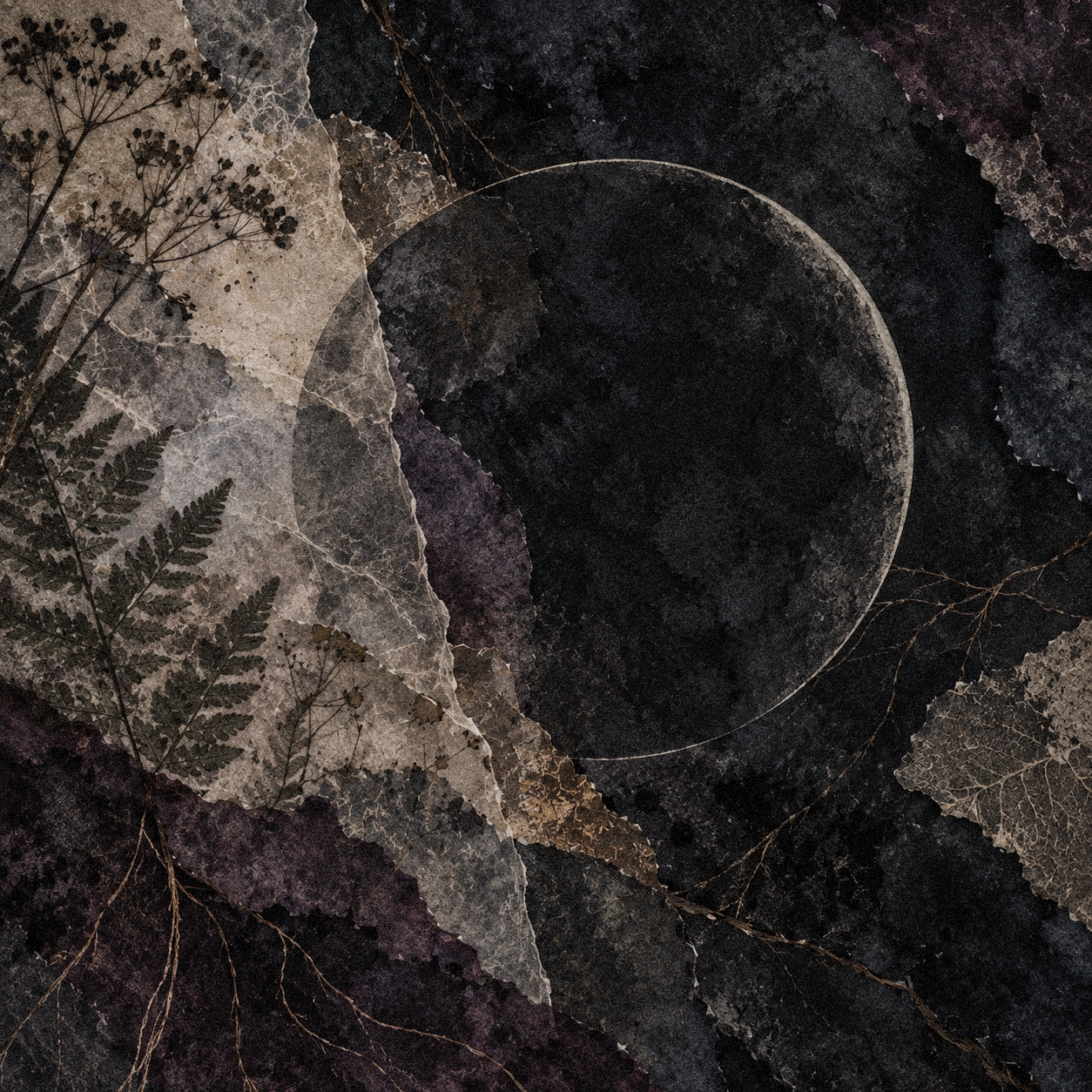
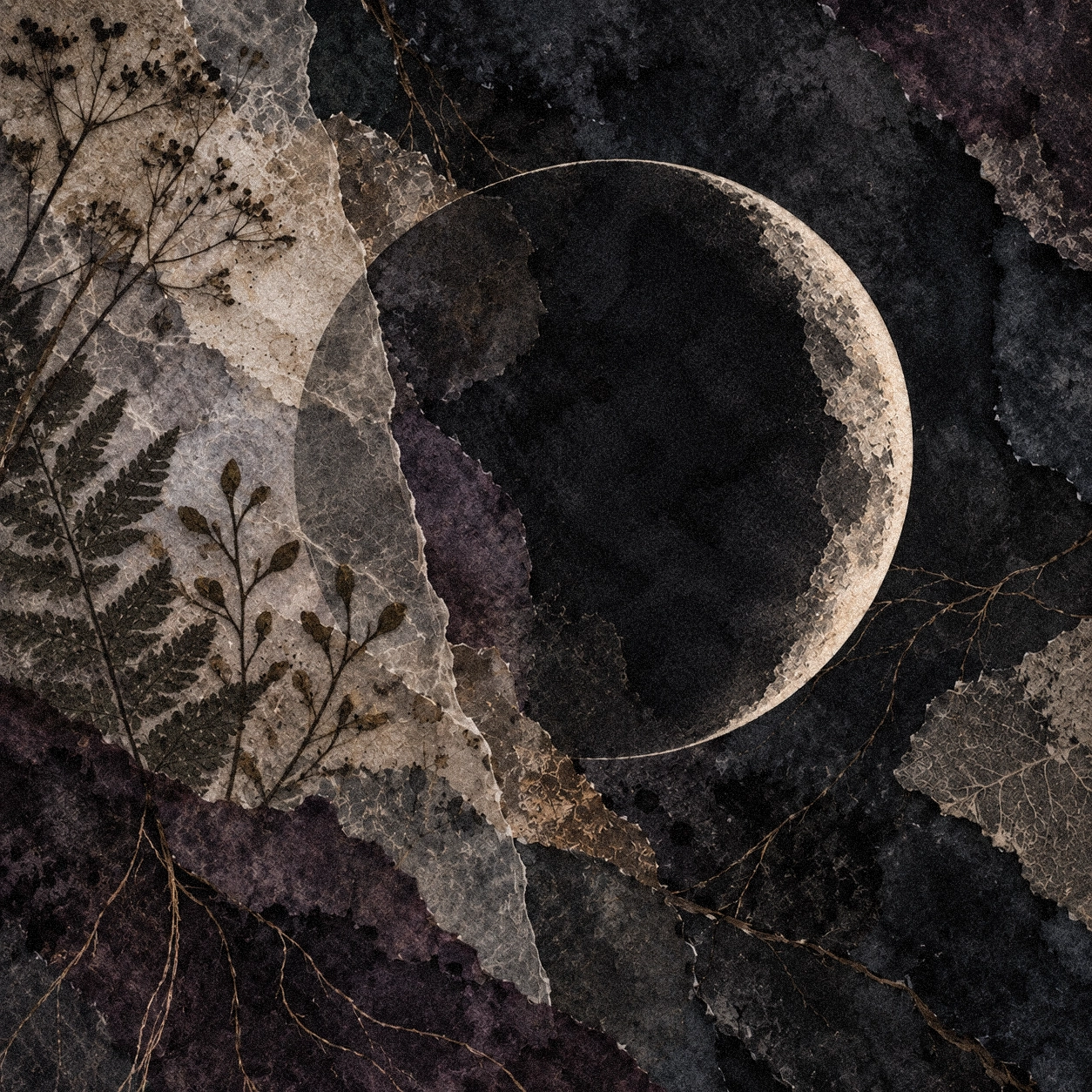
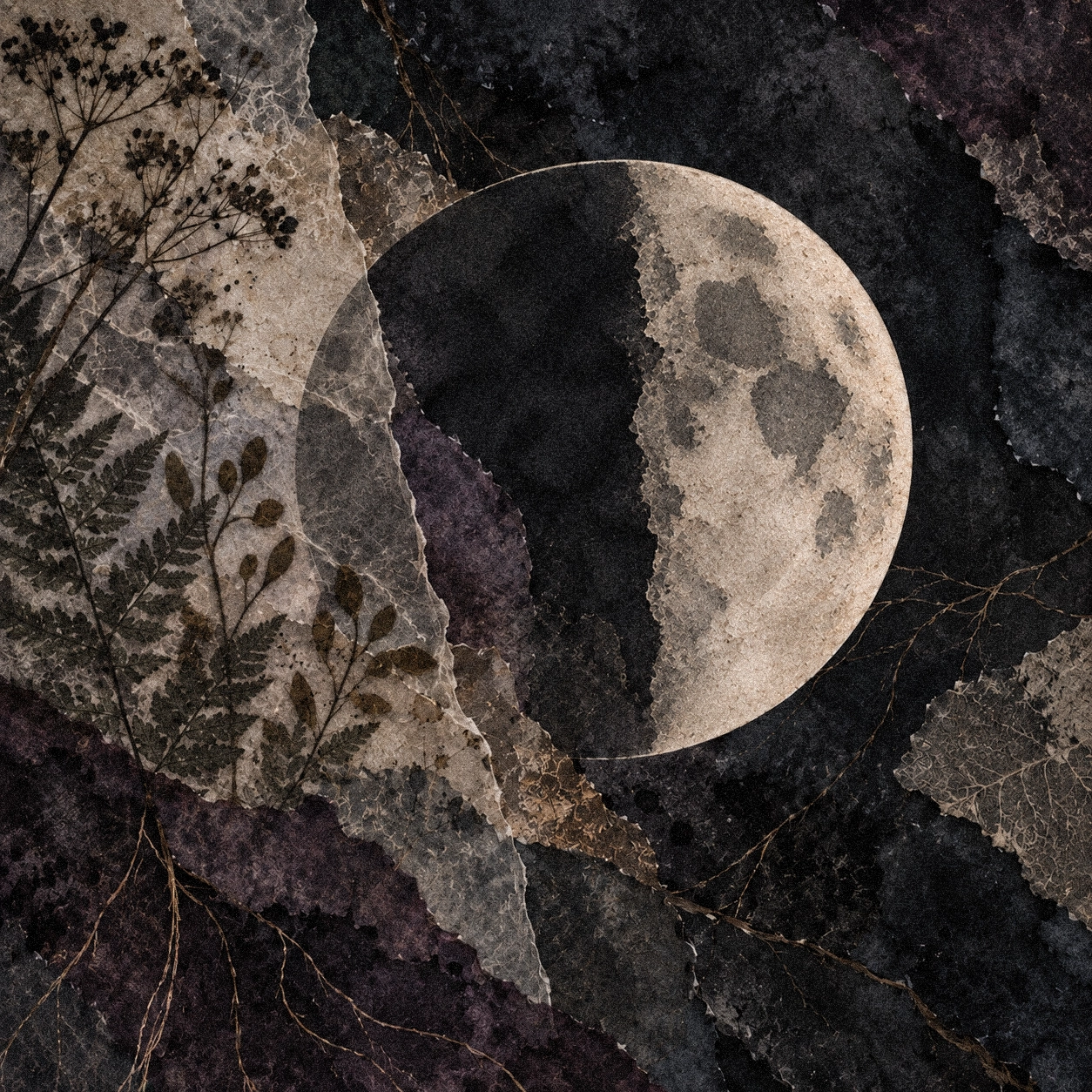
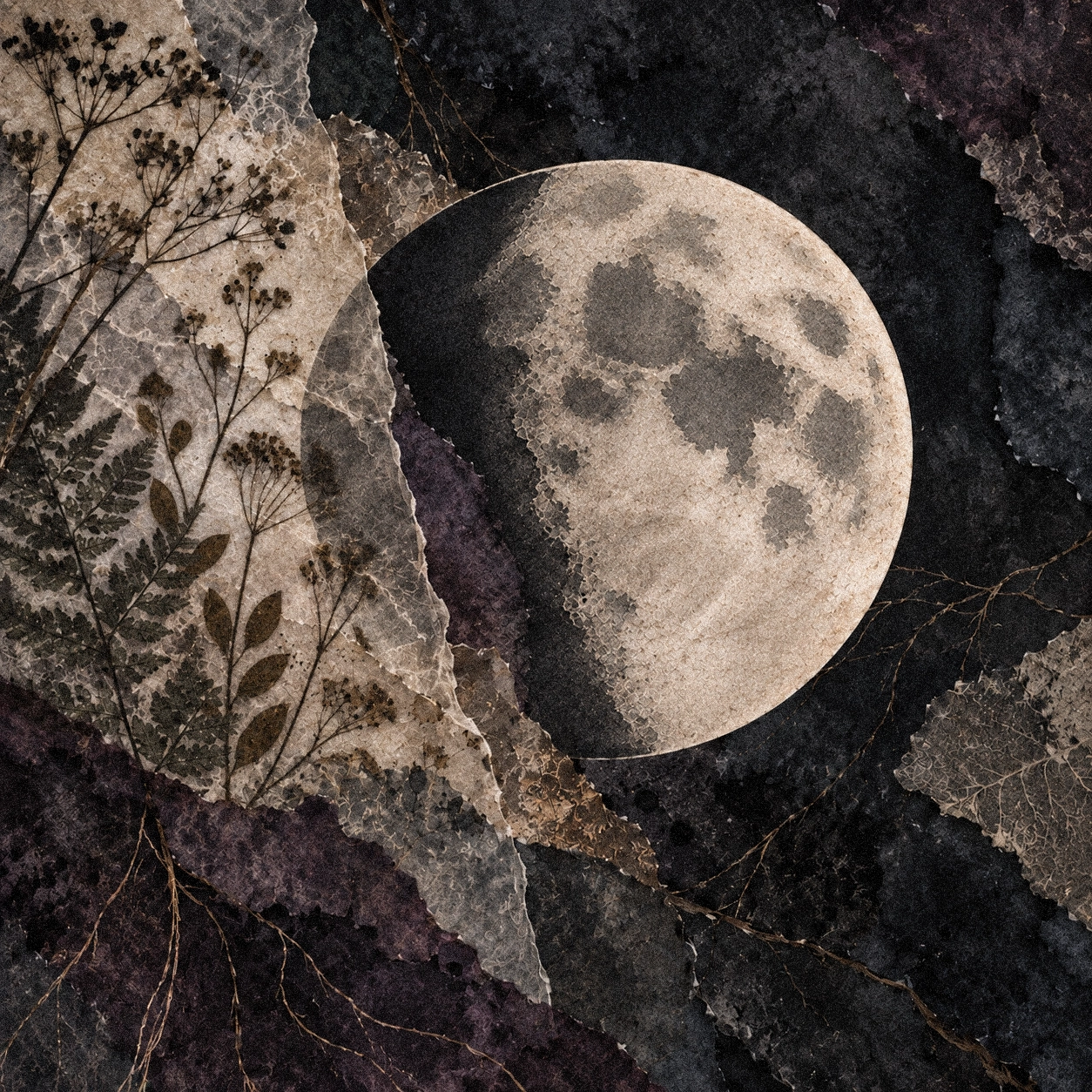
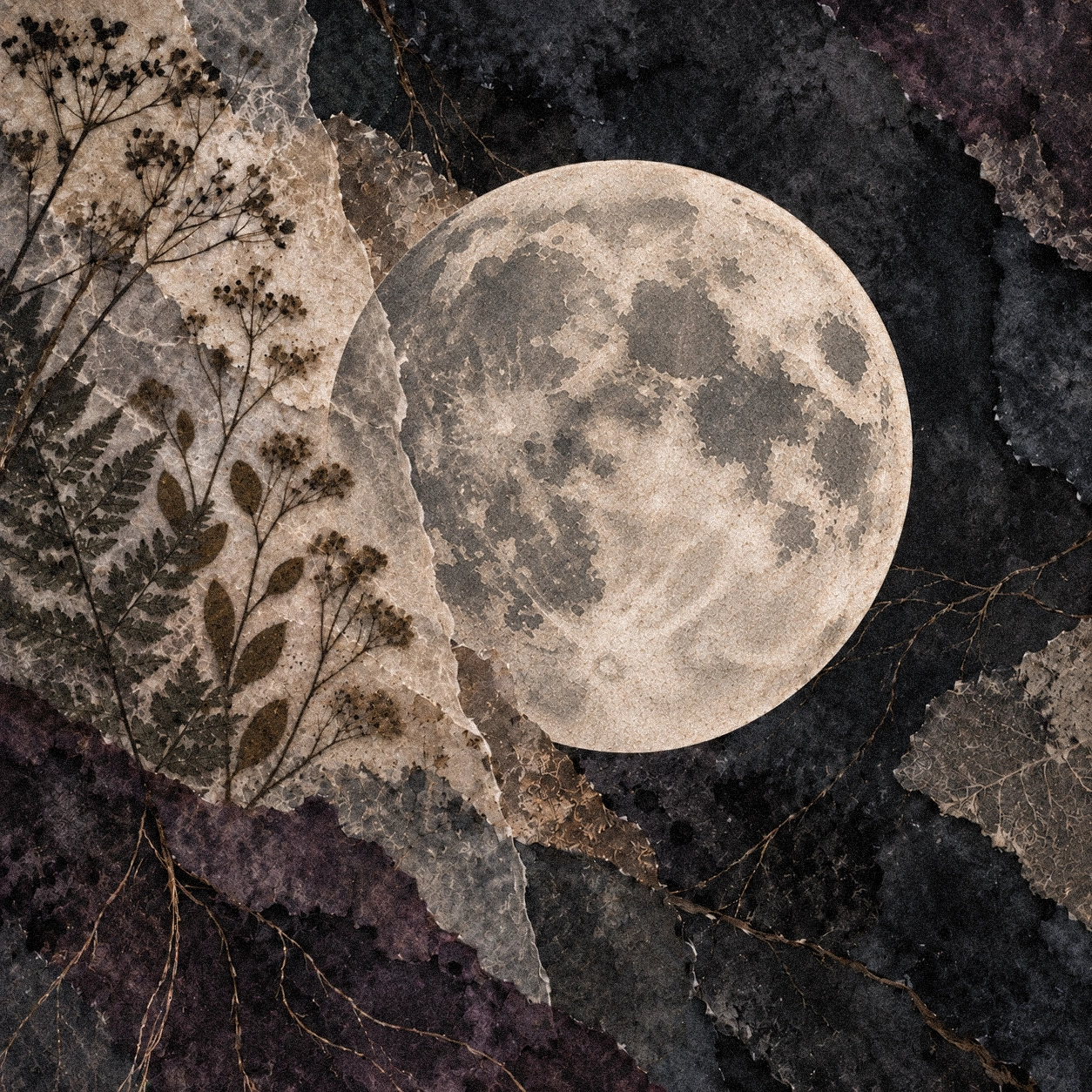
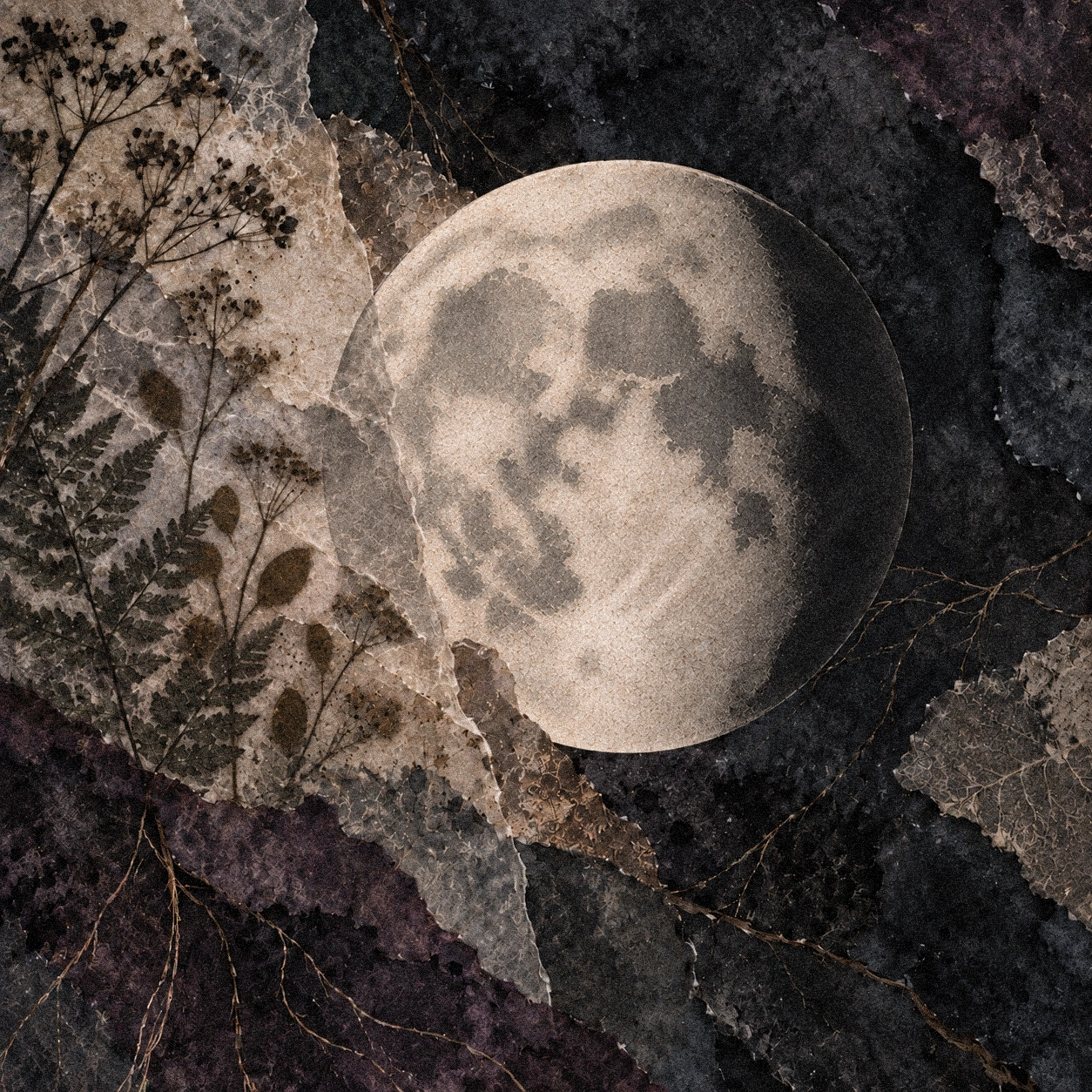
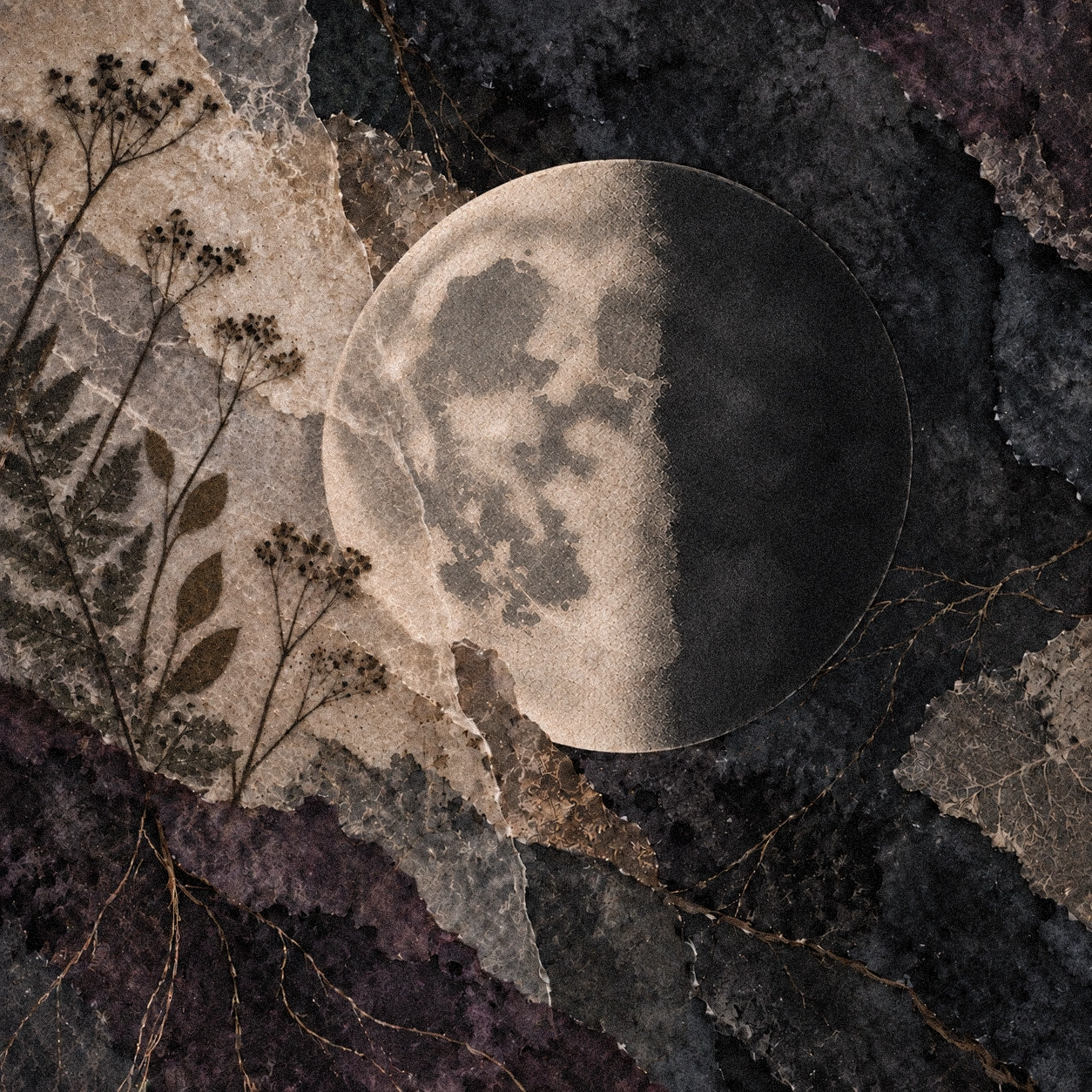
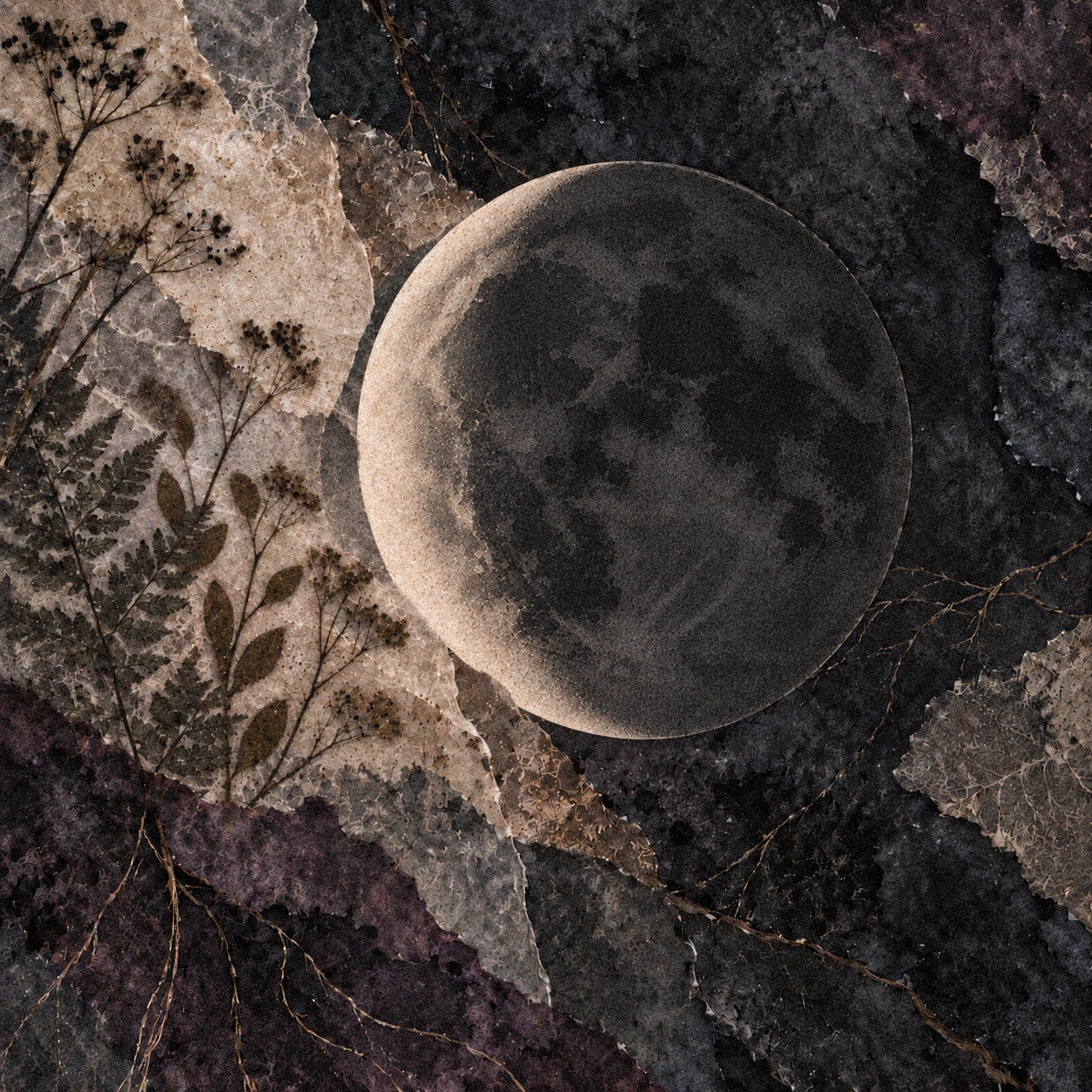
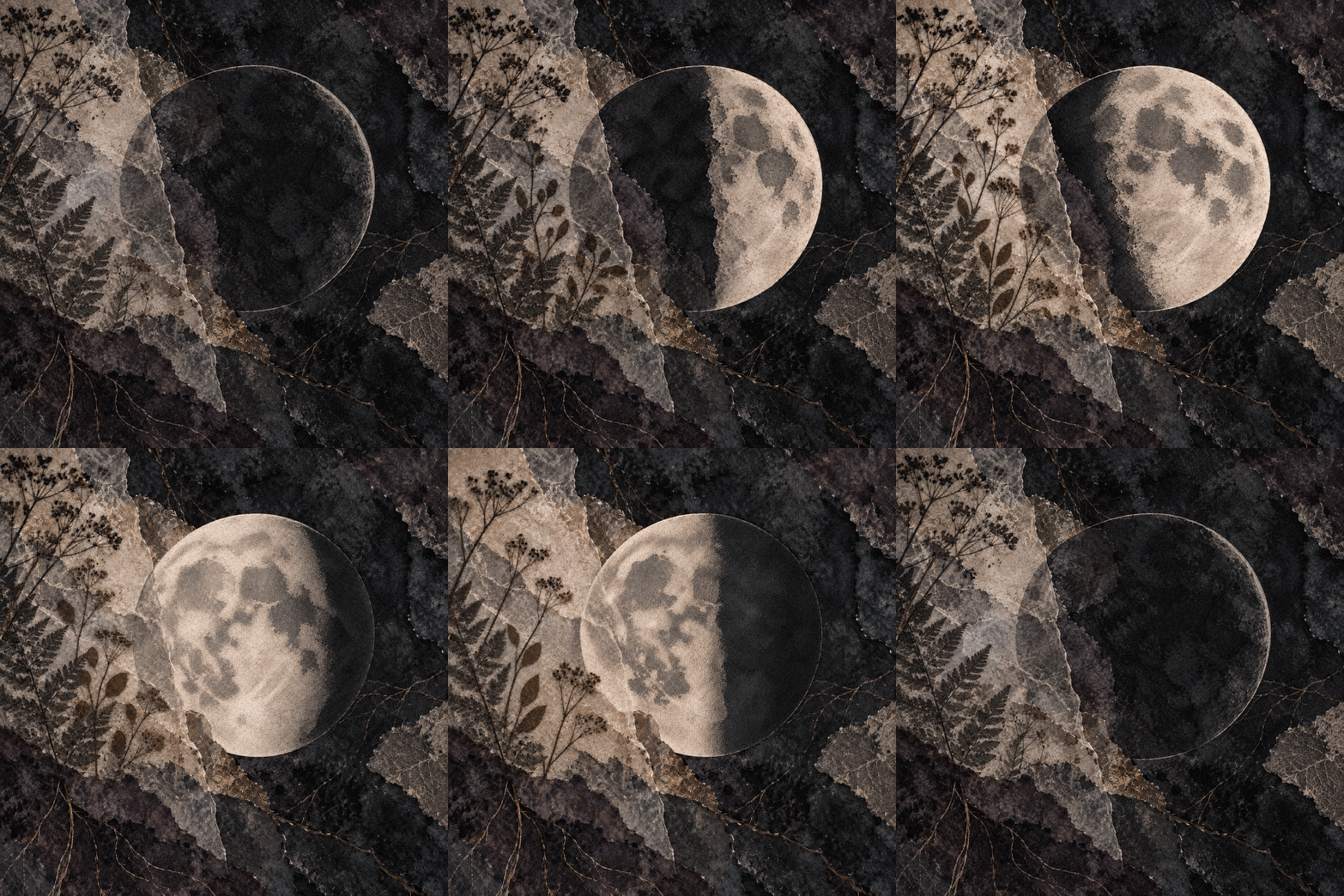
Astronomically, these phases describe changing geometry and illumination.
Symbolically, humans have long used that visible cycle as a way to understand processes of beginning, development, culmination, decline, rest, and renewal.
And that’s the layer I find especially useful.
Not because every project must behave exactly like the Moon.
But because the Moon gives us a recurring reminder that not every phase of a process is supposed to look the same.
That alone is practically revolutionary in a culture that would prefer us to be at Full Moon productivity indefinitely.
The Moon Is a Rhythm, Not a Command
This is the foundation of how I prefer to work with lunar cycles.
A Moon phase can offer a reflective container.
It can help us notice where we are.
It can create a reason to pause.
It can help us consciously mark something that might otherwise blur past.
But I don’t think the New Moon requires you to start something.
I don’t think the Full Moon requires you to release something.
And I definitely don’t think a ritual has failed because you forgot to journal under the correct phase while standing beside a mason jar of moon water.
The sky is an invitation.
Not an assignment.
Sometimes your personal life is beginning something during a waning Moon.
Sometimes a Full Moon arrives while absolutely nothing feels complete.
Sometimes the New Moon happens when you are exhausted and the most aligned intention available to you is:
I would like to go to bed.
Excellent.
Begin there.
The New Moon: The Dark Beginning
At the New Moon, the Moon is positioned near the Sun from our perspective on Earth, so the illuminated side is largely turned away from us.
Visually, this is the dark phase.
Symbolically, the New Moon is often associated with:
beginnings,
intention,
inward listening,
potential,
gestation,
and the not-yet-visible.
I like the word gestation here.
Because beginning does not always mean action.
Sometimes a beginning is an idea you aren’t ready to announce.
A feeling you can’t yet explain.
A decision quietly taking shape.
A desire that has finally become impossible to ignore.
The dark Moon reminds us that something does not have to be visible to be real.
Seeds do a great deal of important work underground.
So do people.
A grounded New Moon practice
Instead of asking:
What should I manifest?
Try asking:
What is beginning to feel true?
or:
What wants more of my attention during this next cycle?
You might write down one intention.
Not ten.
Not a five-year strategic plan.
One living question or direction.
For example:
I want to notice where I am rushing.
I want to practice being clearer in my communication.
I want to create more room for my creative work.
I want to understand what this transition is asking from me.
The purpose isn’t to make a contract with the universe.
It is to orient your attention.
Waxing Crescent: Protecting the Tender Beginning
After the New Moon, the first visible crescent appears.
The light begins increasing.
This phase often gets skipped because it isn’t as dramatic as the New or Full Moon.
Which is unfortunate, because I think it contains an important lesson.
New things are vulnerable.
We often want to go directly from inspiration to certainty.
We have an idea on Monday and by Wednesday we’re wondering why it hasn’t developed a logo, an audience, sustainable revenue, and a retirement plan.
Some things need protection while they’re becoming.
The waxing crescent can remind us to ask:
What small action supports the intention?
What needs nourishment?
What is too early to judge?
What doesn’t need to be shared yet?
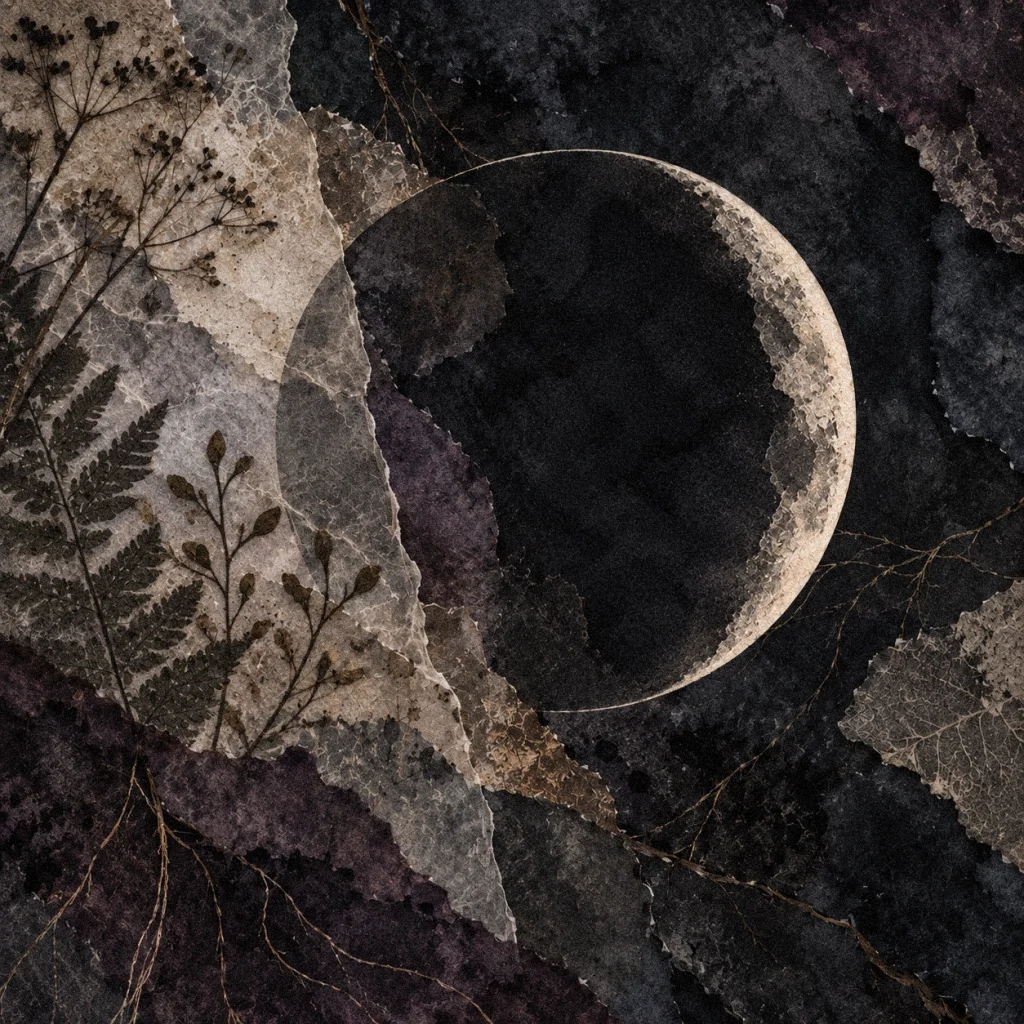
Not every seed benefits from being dug up daily to see whether it has roots.
First Quarter: Friction Is Part of the Process
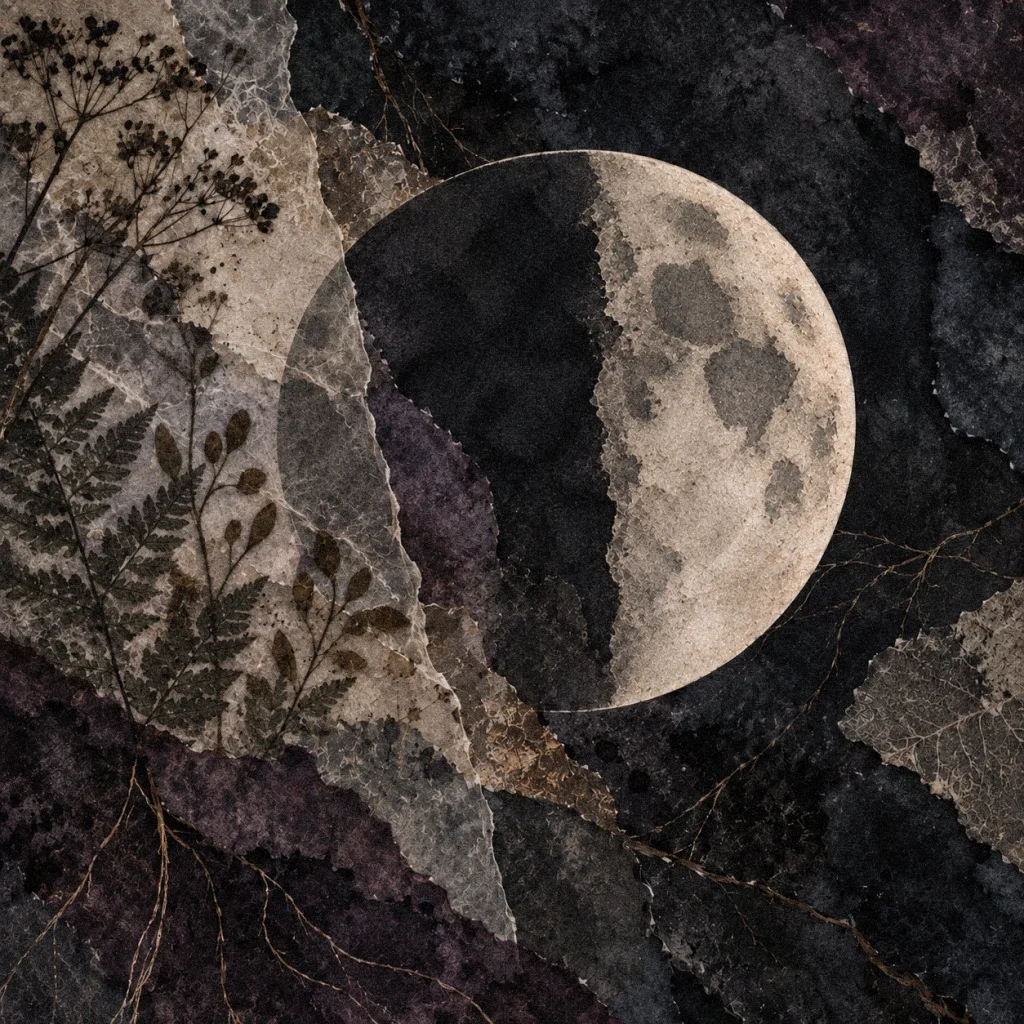
The First Quarter Moon appears half illuminated.
Symbolically, this phase is often associated with action, decision, adjustment, and challenge.
This is where the initial sweetness of beginning meets reality.
You intended to communicate more clearly.
Lovely.
Now someone has said something irritating.
Excellent. Here is your laboratory.
You wanted to prioritize your creative work.
Wonderful.
Now there are fourteen other things asking
for your attention.
This is often where we discover whether an intention is an actual value or simply something that sounded beautiful while journaling.
Friction isn’t necessarily evidence that something is wrong.
It may simply mean the process has become real.
First Quarter reflection
Ask:
What action would make this intention tangible?
And:
What obstacle is actually asking me to adjust rather than quit?
Sometimes the answer is persistence.
Sometimes the answer is changing the plan.
Discernment remains useful.
Waxing Gibbous: Refinement Before Culmination
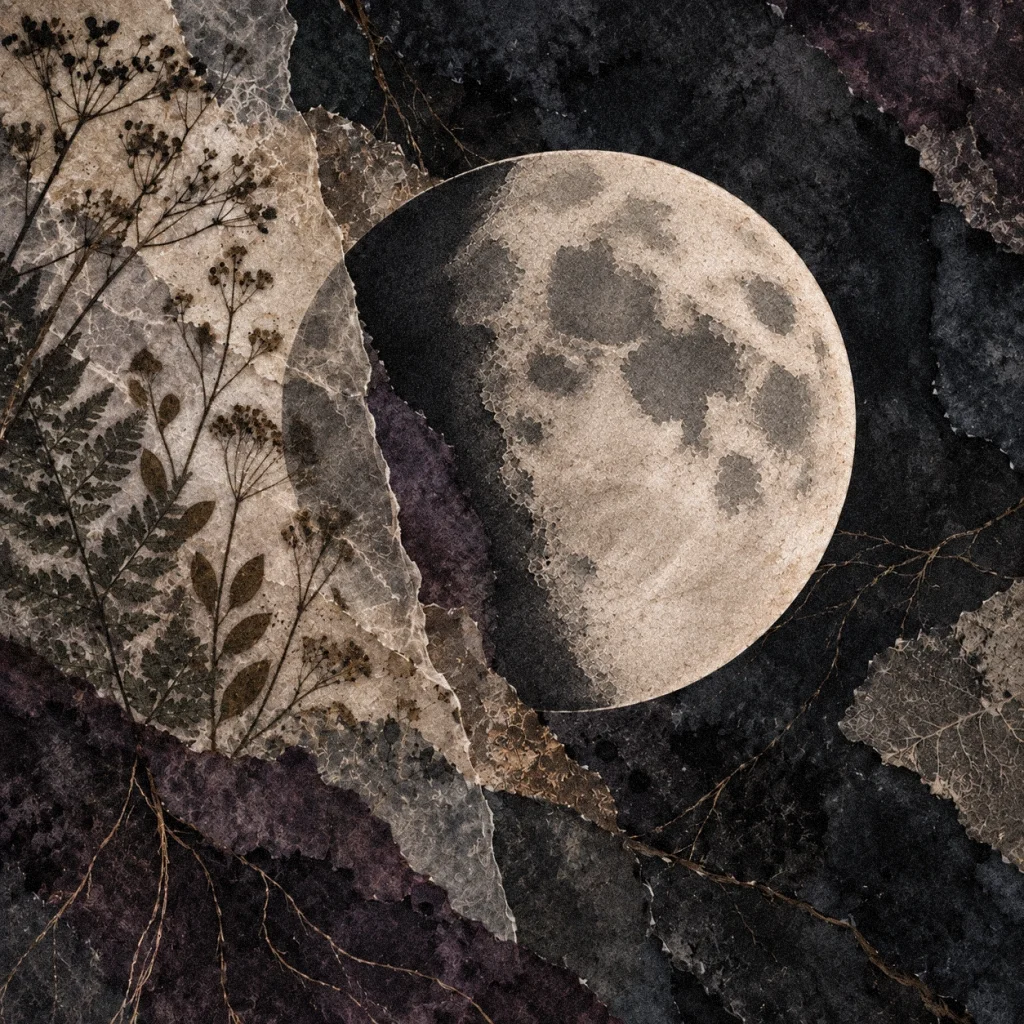
As the Moon continues toward fullness, more of its surface becomes illuminated.
The waxing gibbous phase can be understood as a period of refinement.
The process is underway.
Now we’re noticing what needs adjusting.
This can be an excellent time to review:
What is working?
What isn’t?
What needs more attention?
What am I overcomplicating?
What has changed since I began?
This isn’t particularly glamorous spiritual work.
It is very Virgo.
Which I mean lovingly.
Refinement often determines whether an intention becomes something we can actually live.
The Full Moon: Illumination
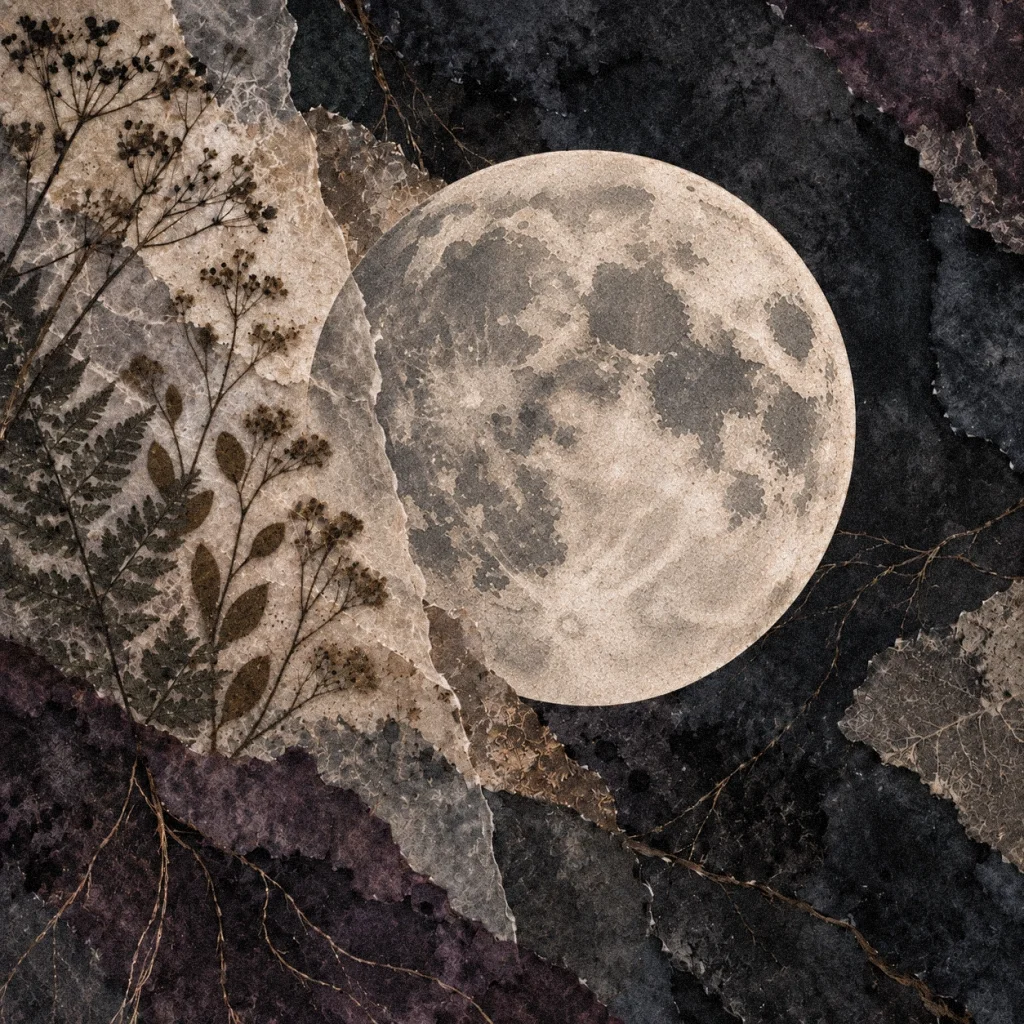
The Full Moon is the most visibly dramatic point of the lunar cycle.
The Moon sits opposite the Sun from Earth’s perspective, and its illuminated face is fully visible to us.
Symbolically, Full Moons are often associated with:
illumination,
awareness,
culmination,
visibility,
emotional intensity,
and revelation.
I emphasize illumination more than manifestation.
Because a Full Moon doesn’t guarantee a dramatic external event.
Sometimes something happens.
Sometimes something completes.
Sometimes a truth becomes obvious.
And sometimes what becomes illuminated is simply:
Oh. I have been avoiding that.
Which is not always the revelation we ordered, but there it is.
Full Moons can help us see what has developed since the New Moon, but I don’t think every Full Moon must be interpreted as the culmination of exactly what you wrote two weeks earlier.
Life does not always adhere to our preferred narrative arc.
Thank goodness, because most of us can’t remember what we wrote two Tuesdays ago anyway.
A grounded Full Moon ritual
You might sit somewhere quiet and ask:
What can I see now that I couldn’t see before?
What has become clearer?
What has developed?
What needs acknowledgment?
What feels complete—or closer to completion?
What truth is difficult to ignore?
Then mark what you notice.
Write.
Walk.
Light a candle.
Speak it aloud.
Make something.
The ritual doesn’t create the awareness.
It helps you become present enough to meet it.
Waning Gibbous: Integration
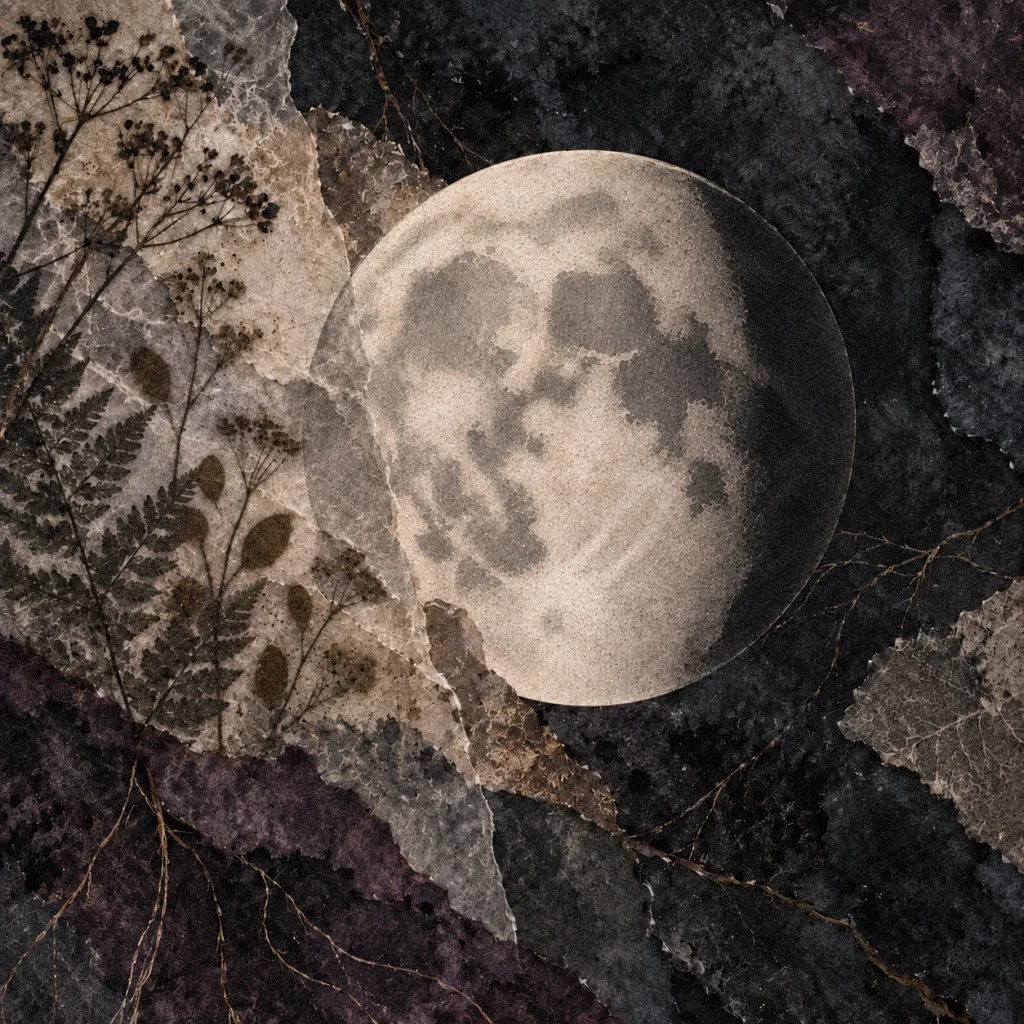
After the Full Moon, the visible light begins decreasing.
We move from culmination toward integration.
This is another phase I think deserves far more attention.
Because we are often very good at having experiences.
We are not always equally good at digesting them.
An insight arrives.
A conversation happens.
Something ends.
Something succeeds.
Something shifts.
And before we’ve had time to understand what it changed, we’re already moving toward the next thing.
Integration asks:
What did I learn?
What needs to settle?
What wisdom can I carry forward?
What doesn’t require immediate action?
There are things we understand intellectually before we understand them emotionally.
And there are things the body takes even longer to integrate.
The waning cycle gives us permission not to rush the meaning.
Last Quarter: The Honest Edit
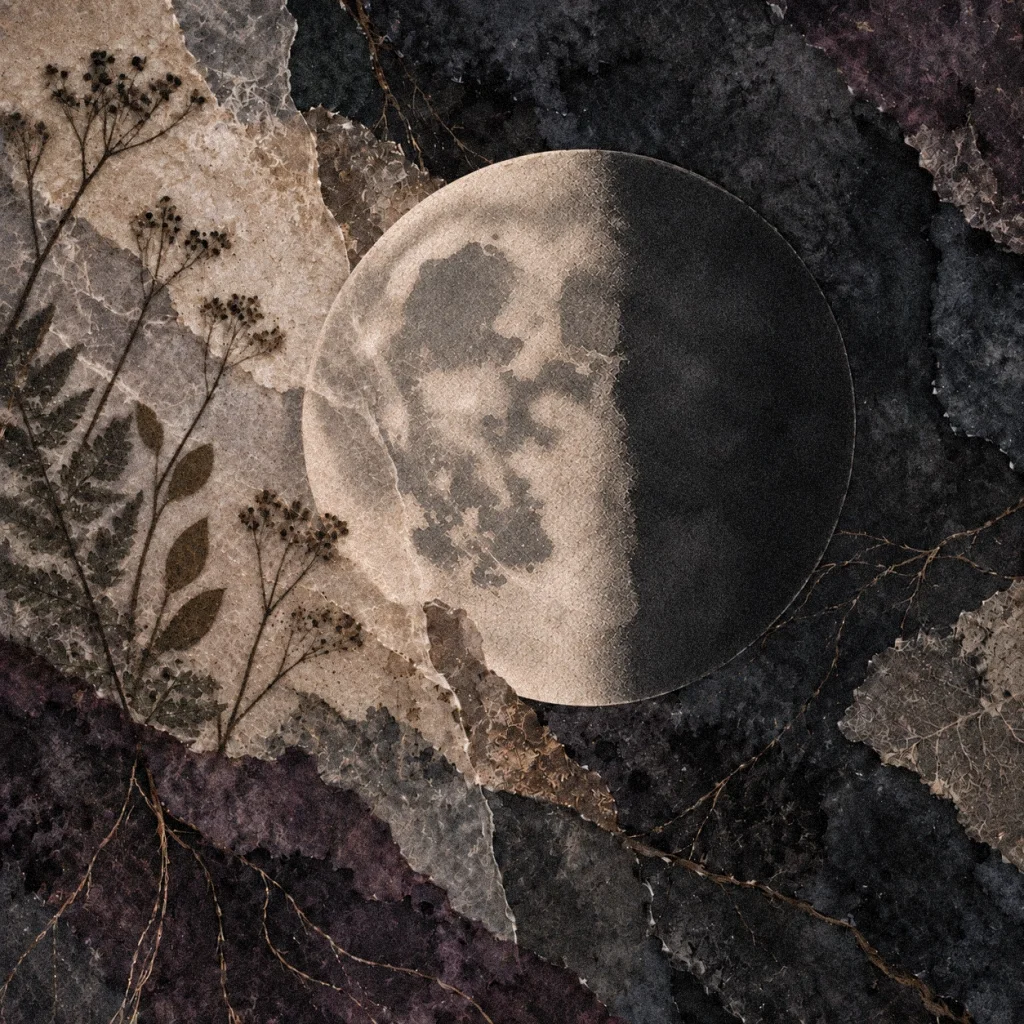
At the Last Quarter, the Moon once again appears half illuminated.
This phase can symbolically correspond with reevaluation, release, correction, and choice.
I think of this as the editing phase.
You’ve lived enough of the cycle to have information.
Now:
What stays?
What goes?
What needs to change?
What no longer deserves your energy?
What have you learned that changes the original plan?
This is not release for the sake of release.
I am slightly suspicious of spiritual practices that make us believe we should constantly be letting everything go.
Some things need to be kept.
Some commitments deepen through repetition.
Some relationships deserve repair.
Some projects need another season.
Release should come from discernment.
Not because the Moon is waning and we feel obligated to dramatically throw something into a fire.
Waning Crescent: Rest, Compost, Return
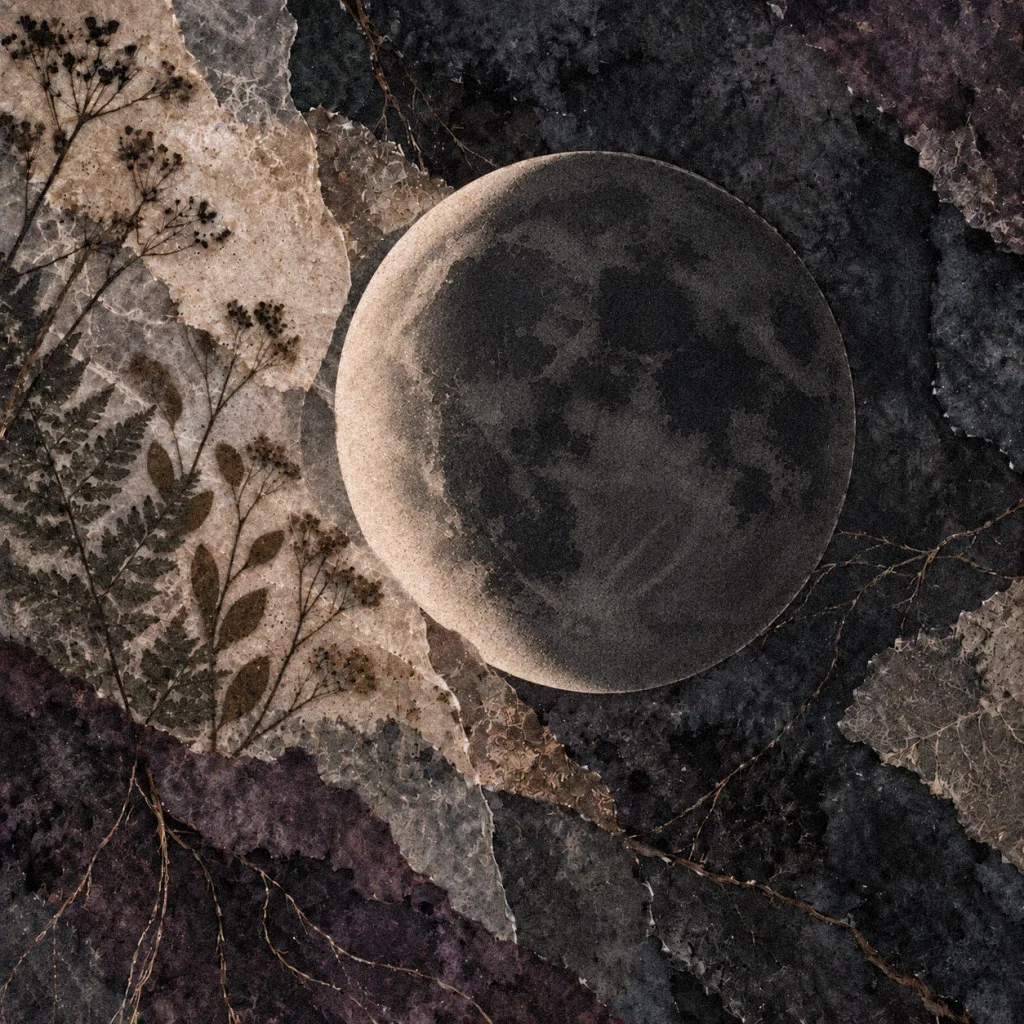
The final visible crescent brings us toward darkness again.
Traditionally, this phase is often connected with surrender, rest, closure, contemplation, and preparation for renewal.
This is where I think the lunar cycle offers one of its most necessary teachings.
Rest belongs to the process.
Not as a reward.
Not after you’ve earned it.
As part of the rhythm.
There are things that become clear only after we stop working on them.
There are identities that loosen when we stop constantly reinforcing them.
There are questions that need silence.
The waning crescent can be a beautiful time to ask:
What can remain unfinished for now?
What am I ready to stop pushing?
Where do I need quiet?
What deserves to be composted rather than analyzed one more time?
And then perhaps…
do less.
Revolutionary, I know.
The Four Major Moon Phases as a Practical Rhythm
If working with eight phases feels like too much, don’t.
You can build a perfectly meaningful lunar practice around four major points:
That’s enough.
Really.
Spiritual practice does not become more sacred simply because it has more steps.
The Zodiac Sign Adds Another Layer
The Moon is always moving through the zodiac, changing signs roughly every two to three days. So every phase of the lunar cycle—from the dark New Moon through the waxing phases, Full Moon, and waning phases—also unfolds through a particular zodiac sign.
That sign adds another layer of archetypal meaning to the Moon’s phase.
We tend to hear most about the signs of New Moons and Full Moons because those lunations are commonly treated as major collective markers in astrology. But the Moon does not suddenly acquire a zodiac relationship only at those points. A First Quarter Moon in Sagittarius, a waxing crescent in Cancer, or a waning Moon moving through Capricorn all carry the symbolism of both phase and sign.
The phase tells us something about where we are in the cycle.
The sign adds information about the quality, themes, or archetypal territory moving through that phase.
A Taurus Moon may bring attention toward themes of value, embodiment, stability, resources, or simplicity.
A Gemini Moon may emphasize language, information, curiosity, perspective, or communication.
A Scorpio Moon may bring attention toward intimacy, power, trust, vulnerability, or transformation.
The sign adds an important layer, but it is not speaking alone.
This is where I return to something I say often about astrology:
The sky is not speaking in separate sentences. These movements are responding to one another.
The Moon is moving through a sign while also forming relationships with other planets. Longer planetary cycles are unfolding. The lunar phase itself carries its own symbolism. And then there is your personal chart.
So rather than asking only, “What does the Moon in this sign mean?” I think it is more useful to ask:
What is this Moon contributing to the larger conversation happening in the sky—and where is that conversation meeting me personally?
Your Birth Chart Makes the Moon Personal
The same lunation can feel very different from person to person.
Why?
Because it lands somewhere specific in your natal chart.
A New Moon may activate one person’s career sector and another person’s relationship sector.
A Full Moon may closely aspect someone’s natal Sun while barely touching another person’s major placements.
This is the difference between the collective Moon cycle and the personal Moon cycle experience.
The collective symbolism tells us about the atmosphere.
Your birth chart helps show where that atmosphere meets your landscape.
This is one reason I prefer not to make sweeping statements like:
“This Full Moon will transform your relationships.”
Maybe.
Or maybe it is nowhere near that part of your chart.
Astrology shifts from abstract theory to rich insight when we let it become personal.
The Natal Moon Matters Too
Your natal Moon describes a different layer.
In astrology, the Moon is associated with emotional patterning, instinctive responses, memory, needs, belonging, security, and the ways we seek comfort and restoration.
So your relationship with lunar cycles may also be colored by your natal Moon.
Some people feel lunar transitions strongly.
Others barely notice.
Some love Full Moons.
Others feel overstimulated by them.
Some find the dark Moon deeply restorative.
Others become restless.
There is no spiritual prize for being more lunar-sensitive than someone else.
You do not need to feel something because an astrology post told you that you should.
That becomes another form of outsourcing your own awareness.
Notice what is actually true for you.
Ritual Is a Container, Not a Performance
I love ritual.
But I think ritual works best when we remember why humans create rituals in the first place.
Ritual marks attention.
It tells the psyche:
This moment matters.
It creates a boundary around an experience.
It gives form to something that may otherwise remain abstract.
And it can help the body participate in an intention, decision, ending, or transition.
You do not need elaborate tools.
You might use:
a candle,
water,
a journal,
a stone,
a plant,
a piece of thread,
a bowl,
a walk through the woods,
a song,
a bath,
a meal,
or your own two hands.
The object is not the magic.
Your attention is doing a great deal of the work.
Though, admittedly, I am rarely going to argue against a beautiful candle.
A Simple Lunar Ritual You Can Use Every Month
Here is a practice that doesn’t require much.
No performance.
No spiritual grading rubric.
Just attention.
You Do Not Have to Synchronize Your Entire Life With the Moon
I want to say this plainly because spiritual practice can become remarkably good at giving people additional reasons to distrust themselves.
You do not have to wait for the New Moon to begin.
You do not have to wait for the waning Moon to end something.
You do not need the “perfect” astrology to make an important decision.
There will always be another transit.
Another lunation.
Another retrograde.
Another cosmic condition that could theoretically be better.
Meanwhile, you are living a life.
The Moon can support timing.
It should not become permission.
If something is ready now, it may be ready now.
Working With the Moon Is Really About Learning Rhythm
This is the deeper reason lunar practice continues to matter to me.
The Moon teaches rhythm.
Beginning.
Development.
Tension.
Refinement.
Illumination.
Integration.
Release.
Rest.
Then beginning again.
Not because human life follows that sequence perfectly.
It doesn’t.
But because we need reminders that every phase belongs.
There are seasons for visibility.
There are seasons for roots.
There are times to initiate.
Times to refine.
Times to celebrate what has become visible.
Times to admit something has reached its end.
And times when the most sacred thing we can do is stop trying to make anything happen at all.
The Moon does not stay full.
It also does not remain dark.
Neither phase is a failure of the other.
They belong to the same cycle.
Questions to Sit With
- What phase of my own life feels most true right now: beginning, building, illuminating, integrating, releasing, or resting?
- Do I tend to value some phases more than others?
- Where am I forcing growth when something may still be gestating?
- What has become visible lately that I wasn’t ready to see before?
- What do I keep carrying into new cycles simply because I haven’t paused long enough to examine it?
- How does my body respond to beginnings, culmination, and endings?
- What kind of ritual actually helps me become present rather than simply giving me another task to complete?
- What would change if I treated rest as part of the cycle instead of an interruption to it?
You don’t have to make the Moon responsible for your life in order to work with her rhythm.
You don’t have to believe every phase determines what will happen next.
You don’t even have to perform a ritual every month.
You can simply begin by noticing.
Look up.
Watch the light change.
Pay attention to your own rhythms alongside it.
Let the Moon become less of a cosmic instruction manual and more of what she has always been:
a keeper of visible time,
a mirror for cycles,
a reminder that becoming has phases.
And perhaps, once in a while, a reason to walk outside after dark and remember that we are part of something much larger than whatever was sitting in our inbox five minutes ago.
Under the same changing Moon,
Joeii Starr
The Charmed Compass
Help Keep the Compass Turning
If something I’ve shared helped you find clarity, peace, or a new perspective, you’re welcome to help support the continued creation of this work.
Every contribution helps sustain the research, writing, illustration, classes, and evolving projects behind The Charmed Compass.
Thank you for walking this path with me.

Joeii Starr is the founder of The Charmed Compass and a Consciousness Systems Architect whose work explores the meeting place of astrology, archetype, ritual, land, and lived experience. Through Transit Oracle, Field Notes, and her broader body of work, she documents the conversations unfolding between the sky above, the earth below, and the evolving human heart.

4 Comments